“Carpe diem.” – Seize the day
Our vision is for children to develop their language skills alongside a ‘love of learning’ for a different language, to help them to become well-rounded global citizens.


Our Intent for Latin at Marton Manor
- At Marton Manor, we have chosen Latin as our Language to teach at Key Stage 2.
- This is a considered choice for our school and is an important part of both our academic and personal development curriculum.
- We believe that the teaching of Latin best meets the needs of our children, as well as meeting the National Curriculum Requirements.
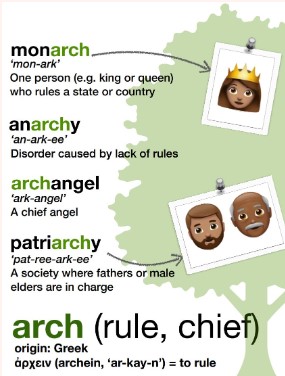
- The teaching of Latin as our ‘Language’ enhances English literacy through its focus on vocabulary and grammar.
- It also facilitates children to develop an appreciation of classical civilization: our children have as much right to a strong Classics Education as any.
- Children will learn the context in which language is rooted, be it English or any other Latinate language as they progress into secondary education and beyond.
We follow the National Curriculum at Marton Manor
Key Stage 2
Pupils are taught:
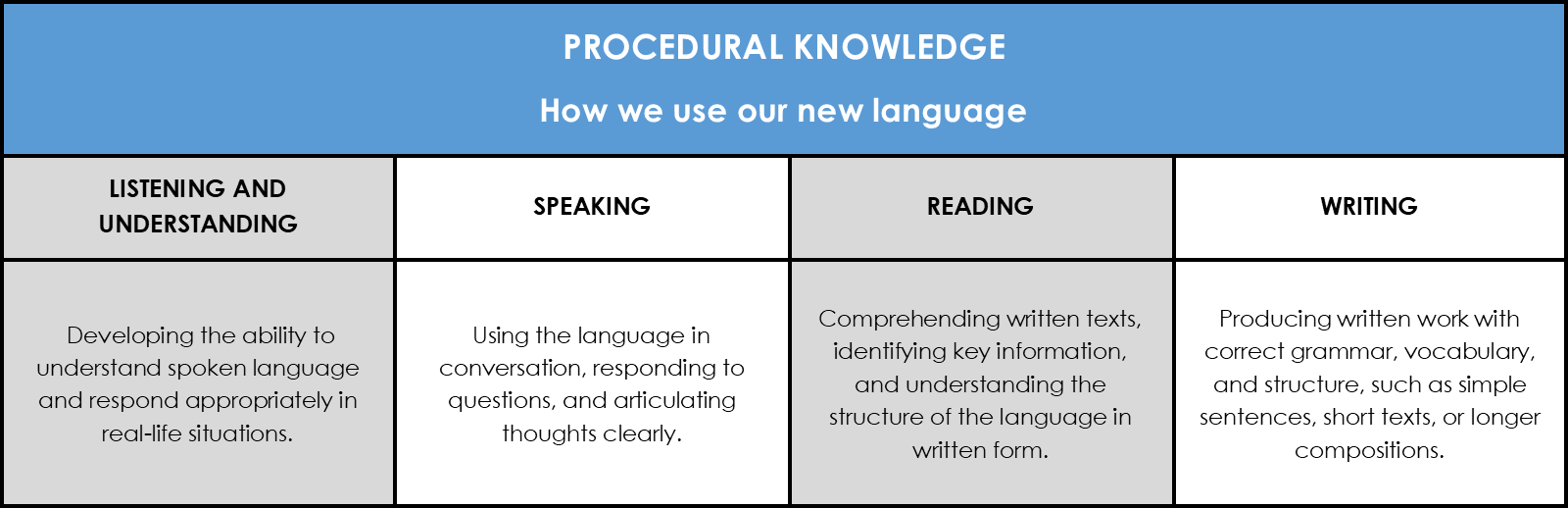
- listen attentively to spoken language and show understanding by joining in and responding
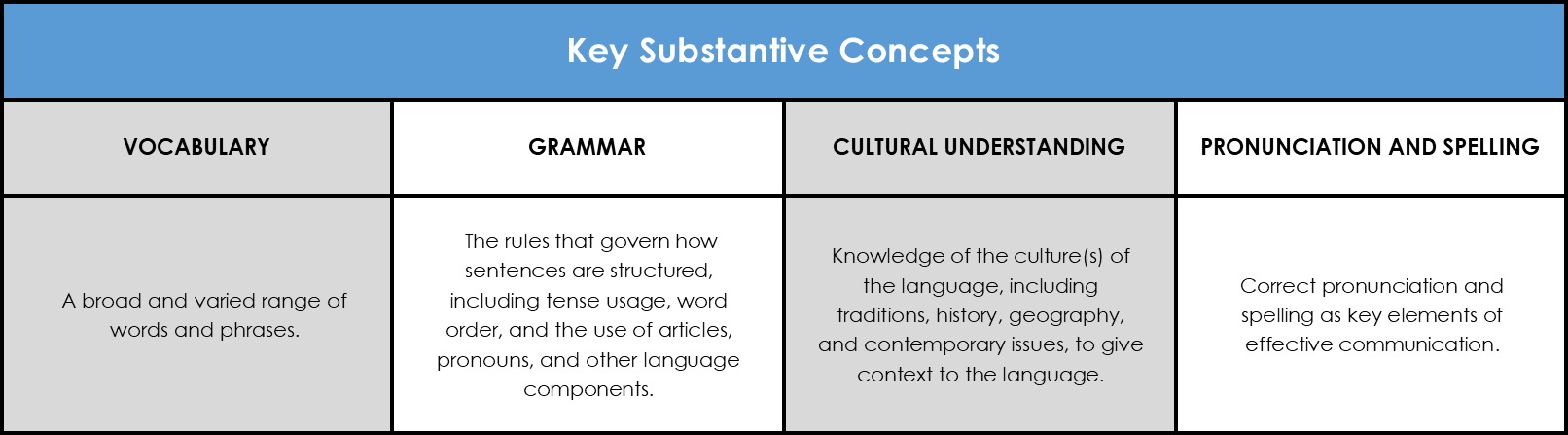
- explore the patterns and sounds of language through songs and rhymes and link the spelling, sound and meaning of words
- engage in conversations; ask and answer questions; express opinions and respond to those of others; seek clarification and help
- speak in sentences, using familiar vocabulary, phrases and basic language structures
- develop accurate pronunciation and intonation so that others understand when they are reading aloud or using familiar words and phrases
- present ideas and information orally to a range of audiences
- read carefully and show understanding of words, phrases and simple writing
- appreciate stories, songs, poems and rhymes in the language
- broaden their vocabulary and develop their ability to understand new words that are introduced into familiar written material, including through using a dictionary
- write phrases from memory, and adapt these to create new sentences, to express ideas clearly
- describe people, places, things and actions orally and in writing
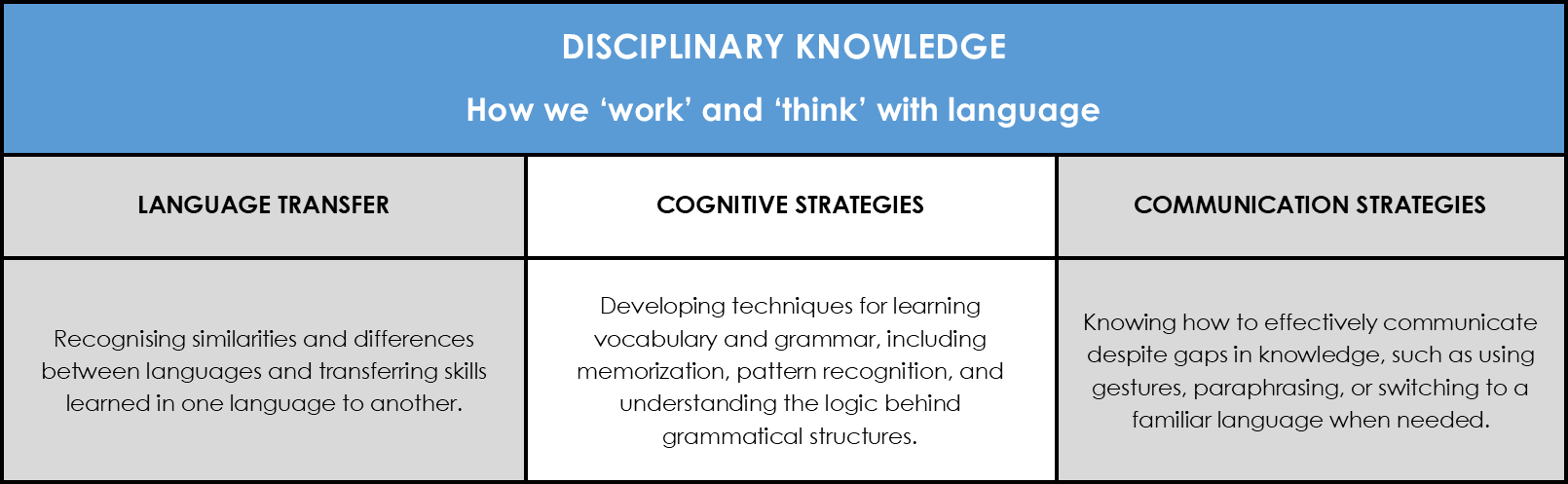
- understand basic grammar appropriate to the language being studied, including (where relevant): feminine, masculine and neuter forms and the conjugation of high-frequency verbs; key features and patterns of the language; how to apply these, for instance, to build sentences; and how these differ from or are similar to English.
How the Latin Curriculum is designed at Marton Manor