“Design is not just what it looks like and feels like. Design is how it works.“ – Steve Jobs
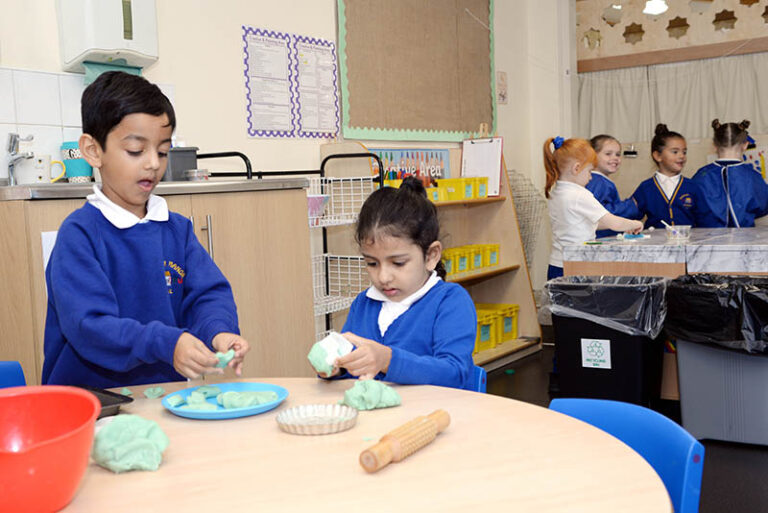
Design and Technology is an inspiring, rigorous and practical subject. Using creativity and imagination, pupils design and make products that solve real and relevant problems, within a variety of contexts, considering their own and others’ needs, wants and values. At Marton Manor Primary School children are taught to select and use appropriate tools safely and effectively to make a product. In all areas of Design and Technology the children are encouraged to consider the effectiveness of their designs and requirements of the product. Every child will have the opportunity to learn and extend their understanding, experience and application in the use of technology, including I.C.T, in as wide a variety of situations as possible.
Our intent for DT at Marton Manor…
- To use creativity and innovation to design purposeful and appealing products for themselves and for others that solve real and relevant problems within a variety of contexts.
- To use a range of tools confidently and skilfully, selecting on a fit for purpose basis.
- To articulate their ideas in a variety of formats.
- To evaluate their work against a design criteria, considering their own and others’ views in how to modify and improve work whilst demonstrating resilience and respect.
- To develop a critical understanding of the impact of design on our daily lives through a study inventors, designers, engineers and chefs who have developed ground breaking products.
- To have fun, be challenged, work with others and learn in a practical context
- Structure knowledge into small, progressive building blocks revisited and reinforced across year groups.
- Ensure pupils know more, remember more, and do more, enabling meaningful progression throughout their school journey.
We follow the National Curriculum at Marton Manor…
In Key Stage 1
Pupils should be taught to:
Design
- design purposeful, functional, appealing products for themselves and other users based on design criteria
- generate, develop, model and communicate their ideas through talking, drawing, templates, mock-ups and, where appropriate, information and communication technology
Make
- select from and use a range of tools and equipment to perform practical tasks [for example, cutting, shaping, joining and finishing]
- select from and use a wide range of materials and components, including construction materials, textiles and ingredients, according to their characteristics
Evaluate
- explore and evaluate a range of existing products
- evaluate their ideas and products against design criteria
Technical knowledge
- build structures, exploring how they can be made stronger, stiffer and more stable
- explore and use mechanisms [for example, levers, sliders, wheels and axles], in their products.
In Key stage 2
Pupils should be taught to:
Design
- use research and develop design criteria to inform the design of innovative, functional, appealing products that are fit for purpose, aimed at particular individuals or groups
- generate, develop, model and communicate their ideas through discussion, annotated sketches, cross-sectional and exploded diagrams, prototypes, pattern pieces and computer-aided design
Make
- select from and use a wider range of tools and equipment to perform practical tasks [for example, cutting, shaping, joining and finishing], accurately
- select from and use a wider range of materials and components, including construction materials, textiles and ingredients, according to their functional properties and aesthetic qualities
Evaluate
- investigate and analyse a range of existing products
- evaluate their ideas and products against their own design criteria and consider the views of others to improve their work
- understand how key events and individuals in design and technology have helped shape the world
Technical knowledge
- apply their understanding of how to strengthen, stiffen and reinforce more complex structures
- understand and use mechanical systems in their products [for example, gears, pulleys, cams, levers and linkages]
- understand and use electrical systems in their products [for example, series circuits incorporating switches, bulbs, buzzers and motors]
- apply their understanding of computing to program, monitor and control their products.
Food and Nutrition
Key stage 1
- use the basic principles of a healthy and varied diet to prepare dishes
- understand where food comes from.
Key stage 2
- understand and apply the principles of a healthy and varied diet
- prepare and cook a variety of predominantly savoury dishes using a range of cooking techniques
- understand seasonality, and know where and how a variety of ingredients are grown, reared, caught and processed.
How the DT Curriculum is designed at Marton Manor
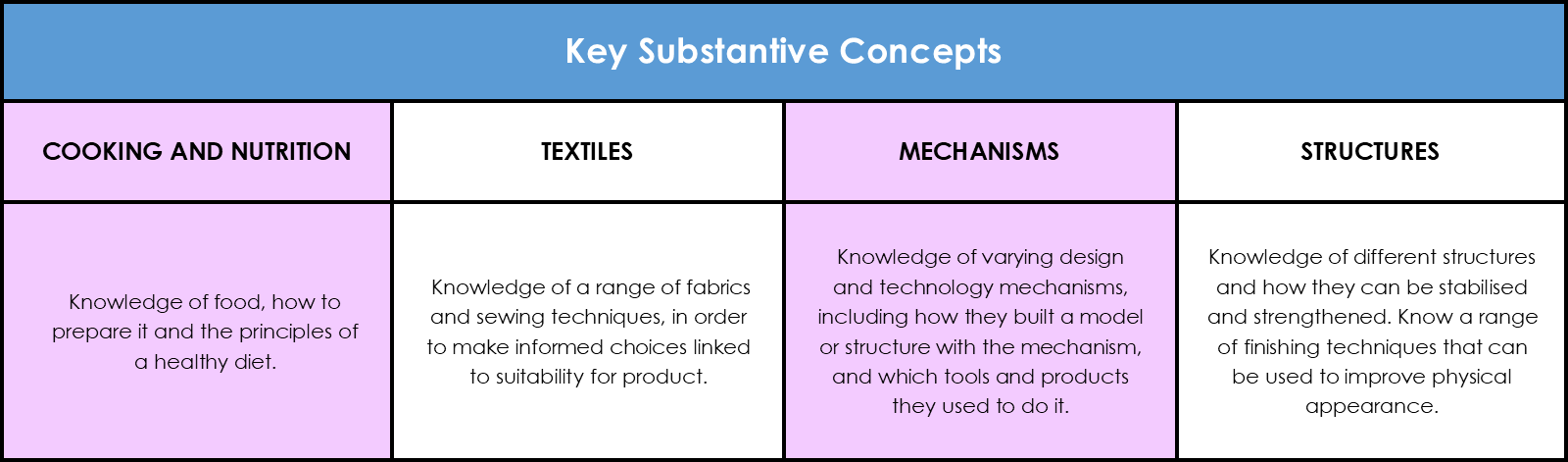
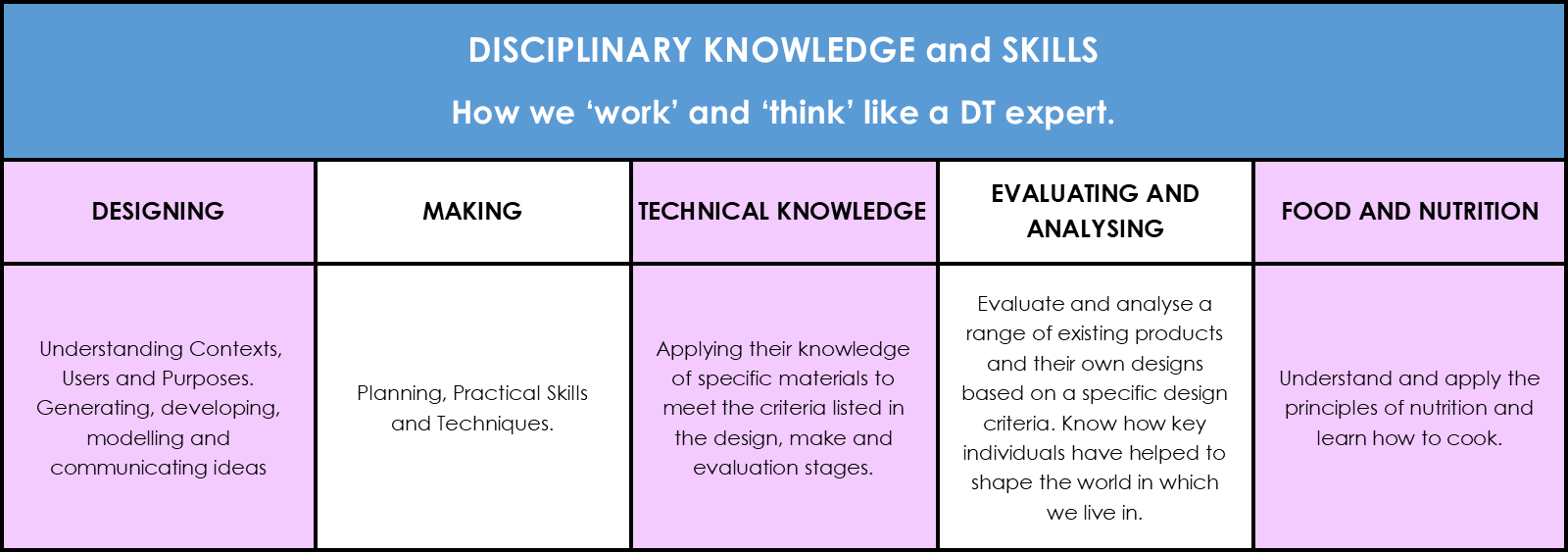
At Marton Manor Primary School, our Design and Technology Curriculum develops creativity, problem-solving, and technical understanding. Built around key substantive concepts and disciplinary knowledge, our curriculum equips children with the skills to think, design, and create like designers and engineers.
Below, you will find an overview of our curriculum, outlining the key substantive concepts and the role of disciplinary knowledge in shaping children’s understanding of design and technology.